Gaming Smartphone Embroidery Design Review
As a designer who spends more time staring at stitch maps than actual finished garments, I have learned that the gap between a digital preview and a stitched reality is often wider than clients expect. When I first pulled up the Gaming Smartphone design, my initial reaction was one of cautious optimism. In the world of Logos and Graphics, simplicity is usually king, but "simple" can sometimes translate to "boring" or, worse, "poorly constructed" when it hits the needle. This particular template promises elegance and modern versatility, claims that are easy to make in a vector file but harder to prove under the presser foot.
First Impressions and Visual Personality
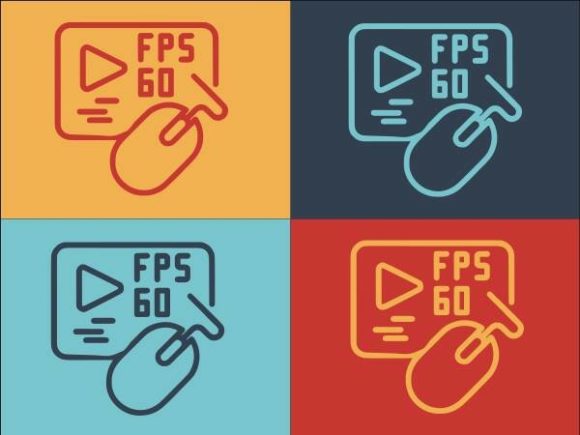
The aesthetic of Gaming Smartphone leans heavily into a clean, contemporary vibe. It does not scream for attention with chaotic details; instead, it relies on strong lines and balanced spacing. For an embroidery project, this is a promising start. Complex gradients and tiny text are the enemies of durable stitching, so a design that prioritizes shape and layout over microscopic detail is inherently more practical. The mood it creates is professional yet approachable, making it suitable for a wide range of applications beyond just gaming-themed items. It feels like a design that could easily sit on a high-end tech accessory bag or a casual streetwear hoodie without looking out of place.
What stands out immediately is the potential for customization. Since the file is provided in SVG format, compatible with tools like Inkscape, Gravit Designer, and Adobe Photoshop, you have the freedom to tweak elements before converting them into your preferred machine embroidery design format. This flexibility is crucial for us as creators because no two fabrics behave the same way. Being able to adjust the scale or simplify certain paths before digitizing can save hours of troubleshooting later.
Real-World Application: The Custom Tote Test
To truly evaluate Gaming Smartphone, I imagined a specific real-life scenario: creating a line of custom tote bags for a local tech meetup. Tote bags are notoriously tricky due to their woven texture and tendency to shift during hooping. I visualized placing this design on a heavy canvas bag. The clean lines of the logo would need to hold up against the rougher fabric texture. Because the design is described as versatile, I believe it would perform well here, provided the stitch density is managed correctly. If the design relies too heavily on dense fill stitches, the canvas might pucker. However, if it utilizes a mix of satin stitch borders and strategic running stitch details, it could look crisp and professional.
Beyond totes, consider the appeal for custom apparel. Imagine this embroidered on the chest of a minimalist sweatshirt. The modern style fits perfectly with current athleisure trends. For an Etsy seller or small shop owner, this kind of adaptability is gold. You are not limited to one niche. You can market it as a personalized gift for gamers, a branding element for tech startups, or a stylish accent for everyday carry items. The visual clarity ensures that even from a distance, the design remains recognizable, which boosts the perceived value of the finished product.
Navigating Technical Challenges
While the design looks elegant on screen, we must discuss where caution is needed. Any designer knows that "easy to customize" does not always mean "easy to stitch." If you plan to use Gaming Smartphone on stretchy fabrics like jersey knits for baby clothes or t-shirts, stabilization is non-negotiable. Without a proper cut-away or tear-away stabilizer, even the most beautiful design will distort after the first wash. I would advise testing the design on scrap fabric first, specifically checking how the corners and any fine lines hold up. Sharp corners in digital graphics often become blunt or messy in embroidery if the digitizer has not added proper underlay or tie-offs.
Another critical factor is hoop size. If you are working with a small 4x4 hoop, you may need to scale the design down. When shrinking a logo, ensure that any internal details do not merge together. Thread buildup is a real issue with dense designs. If Gaming Smartphone features overlapping elements, check your stitch density settings. On dark fabrics, you might need to adjust your thread colors to ensure sufficient contrast. A low-contrast thread choice on a black hoodie, for example, could render the design invisible, defeating the purpose of the embellishment.
Commercial Viability and Brand Consistency
For those running a craft business, the commercial potential of this design lies in its professionalism. Customers trust clean, well-executed embroidery. A sloppy stitch-out damages brand reputation, but a crisp, clean logo builds it. This design’s modern aesthetic aligns well with brands that want to appear tech-savvy and current. Whether you are creating embroidered patches for resale or adding logos to corporate uniforms, the consistency of the design allows for reliable replication. This reliability is key for bulk orders where every item needs to look identical.
Furthermore, the versatility of the SVG format means you can create high-quality printable mockups for your online listings before you even stitch a single thread. This saves material costs and allows you to test different color combinations virtually. For an Etsy seller, having attractive, accurate mockups can significantly increase click-through rates. You can show the design on a cap, a pillow cover, or a kitchen towel, helping customers visualize the handmade product in their own lives.
Practical Notes for the Embroiderer
Before you commit to a large production run using Gaming Smartphone, here are my top recommendations:
- Test on Scrap Fabric: Always stitch out a test piece on the same material you intend to use for the final product. Check for puckering, thread breaks, and registration issues.
- Check Thread Contrast: Use a color wheel to select threads that pop against your fabric. High contrast improves readability, especially for smaller sizes.
- Verify Licensing: Although the product description mentions it is ready to print and customize, always confirm the specific license terms. Ensure you have the right to sell finished items or if there are restrictions on commercial use.
- Inspect Small Details: Zoom in on the digital file. Are there any nodes or points that look too close together? These might need manual adjustment in your digitizing software to prevent thread nests.
- Consider the End Use: If the item will be washed frequently, such as a baby embroidery project or a kitchen towel, use polyester thread for durability and colorfastness.
In conclusion, Gaming Smartphone offers a solid foundation for various embroidery projects. Its strength lies in its modern, clean lines and adaptability across different mediums. While it requires careful attention to technical details like stabilizer choice and stitch density, the potential for creating high-value, professional-looking items is significant. For designers and makers willing to put in the prep work, this design can be a versatile asset in your library of design assets, helping you deliver quality commercial embroidery that stands out in a crowded market.