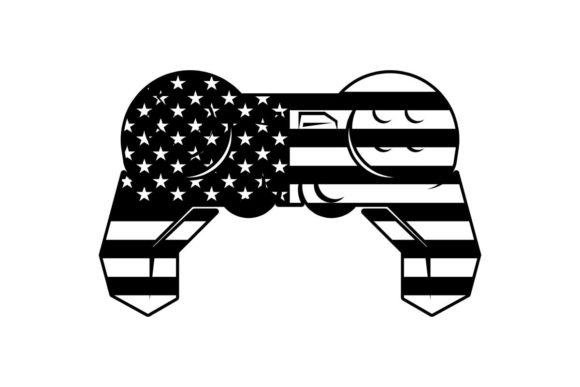
Game Controller American Flag: A Designer’s Review
As an embroidery designer who has spent years digitizing and testing files for everything from boutique sweatshirts to high-volume craft fair merchandise, I approach every new Graphics asset with a critical eye. We often see patriotic themes mixed with pop culture, but the execution determines whether a design feels like a novelty or a professional product. Recently, I evaluated the Game Controller American Flag to see how it holds up in real-world stitching scenarios. This isn’t just about downloading a file; it is about understanding how this specific visual translates into thread, fabric, and ultimately, customer satisfaction.
First Impressions and Visual Personality
The first thing that strikes you about the Game Controller American Flag is its bold simplicity. It merges two distinct cultural symbols—the gaming controller and the USA flag—into a single, cohesive silhouette. From a design perspective, this is smart. Complex gradients and photo-realistic details are the enemies of clean embroidery. This design relies on strong shapes and clear color blocking, which suggests it was created with vector precision in mind. The inclusion of both white and black versions in the set indicates an awareness of contrast needs, a crucial factor when working with varied fabric backgrounds.
The mood here is playful yet patriotic. It appeals to a specific demographic: gamers who love their country, parents looking for unique baby items, or anyone wanting to showcase a hobby with pride. For an Etsy seller or small shop owner, this dual appeal expands your potential customer base significantly. It moves beyond standard flag designs, offering a niche angle that stands out in a crowded marketplace of Logos and clipart.
Real-World Application: The Sweatshirt Test
To truly judge a design, you have to imagine it stitched out. I visualized this Game Controller American Flag on a heather grey crewneck sweatshirt, a staple in any custom apparel line. The result is promising. The broad areas of red, white, and blue would translate well using standard fill stitches. Because the design avoids intricate, tiny details, the risk of thread breaks or puckering is minimized, provided the digitizing is sound.
I also considered its use on a canvas tote bag design. Here, the durability of the stitch matters. A tote bag undergoes significant stress. If this were an applique design, it would be even more robust, but as a standard embroidered graphic, the density needs to be balanced. Too dense, and the fabric warps; too light, and the backing shows through. The blocky nature of the controller shape suggests it can handle a moderate stitch density, making it suitable for heavier fabrics like denim or canvas without excessive stabilizer buildup.
Versatility Across Product Lines
Beyond apparel, this graphic has legs in other categories. Imagine it as an embroidered patch for a backpack or jacket. Patches require clean edges and high contrast, both of which this design offers. For baby embroidery, such as on a onesie or burp cloth, the simplified shapes are safer than intricate lace-like patterns, though one must always check for scratchy satin stitch borders against sensitive skin. It also fits perfectly into holiday embroidery collections for Fourth of July or Veterans Day, offering a modern twist on traditional motifs.
For digital product sellers, the included SVG cut files add immense value. You can create a hybrid product: an embroidered shirt paired with a vinyl-decorated mug or tumbler using the same Game Controller American Flag artwork. This consistency strengthens brand identity and allows for upselling in your craft business.
Technical Considerations for Embroiderers
While the visual appeal is strong, technical execution is where projects succeed or fail. Since the product description mentions PNG and SVG formats but does not specify exact embroidery file formats (like PES, DST, or JEF), you must verify compatibility with your machine before purchase. Assuming you have the appropriate digitized version, here are key factors to consider:
- Hoop Size and Placement: Ensure the design fits comfortably within your hoop. For caps, a smaller hoop is necessary, and the curved surface may distort wide designs. This controller shape is relatively compact, making it a good candidate for left-chest placement on shirts or front-center on hats.
- Fabric Texture and Stabilizer: On textured fabrics like pique polo shirts or terry cloth towels, fine details can get lost. However, this design’s bold lines should remain visible. Always use a cut-away stabilizer for stretchy fabrics like t-shirts to prevent distortion after washing. For woven fabrics like aprons or pillow covers, a tear-away may suffice, but test first.
- Thread Color Contrast: The design relies on the iconic red, white, and blue palette. On dark fabrics, ensure your white thread has enough coverage. You might need to adjust the underlay or increase stitch density slightly to prevent the dark fabric from showing through the lighter colors. On light fabrics, the black version included in the set could be used for a monochrome, stylish look, perhaps using metallic or variegated threads for a unique twist.
- Stitch Types: Expect a mix of fill stitches for the flag stripes and potentially satin stitches for the controller outlines or buttons. Satin stitches on wide areas can snag; if the digitizer has converted wide columns to fills, the durability will be higher. Check the stitch count if available—a lower count generally means faster production and less thread consumption, which is vital for profit margins in a small shop product line.
Navigating Potential Pitfalls
No design is perfect for every scenario. Where should you use caution with the Game Controller American Flag? Avoid placing it on highly stretchy, thin fabrics without proper stabilization, as the weight of the embroidery could cause sagging. Also, be mindful of very small hoop sizes if the design includes tiny text or intricate button details on the controller. If these elements are too small, they may not stitch out cleanly, resulting in a muddy appearance.
Furthermore, consider the end-use. If this is for a personalized gift that will be washed frequently, ensure the thread quality is high-rated polyester or rayon to maintain color vibrancy. Cheap thread will fade, diminishing the perceived value of your finished product. Always run a test stitch on scrap fabric identical to your final material. This simple step saves time, money, and reputation.
Commercial Viability and Brand Trust
From a business standpoint, this design supports professionalism. Using a clean, well-structured graphic signals to customers that you care about quality. It enhances buyer engagement because it speaks directly to a passionate community. Whether you are creating commercial embroidery for a local gaming cafe or selling handmade products online, the relevance of the imagery drives sales.
Remember to confirm licensing terms. While the description implies it is for print-on-demand and crafting, always double-check if commercial use is permitted for physical goods versus digital resale. Protecting your design assets and respecting intellectual property is part of running a sustainable creative enterprise.
Final Verdict
The Game Controller American Flag is a solid addition to any designer’s library. It balances trendiness with timeless patriotic appeal, offering versatility across apparel, home decor, and accessories. Its strength lies in its simplicity, which translates well to the mechanical constraints of embroidery machines. By paying attention to stabilizer choice, thread contrast, and fabric type, you can turn this digital file into a high-quality, profitable embroidery project. It is not just a graphic; it is a tool for connecting with customers who want to express their identity through what they wear and use. Test it, tweak it, and let it elevate your next collection.