Canoeing by Day Gamer by Night: A Designer’s Review
When I first pulled up Canoeing by Day Gamer by Night on my screen, I wasn’t just looking at a graphic; I was mentally mapping out how it would translate from pixels to thread. As an embroidery designer who has spent years tweaking digitized files for everything from delicate baby onesies to heavy-duty workwear, I approach every new asset with a critical eye. This particular piece, categorized under Print Templates and Graphics, presents a fascinating duality that appeals to a specific, growing niche of customers. It captures the modern lifestyle balance between outdoor adventure and digital escapism, a theme that resonates deeply with today’s hobbyists and makers.
First Impressions and Visual Personality
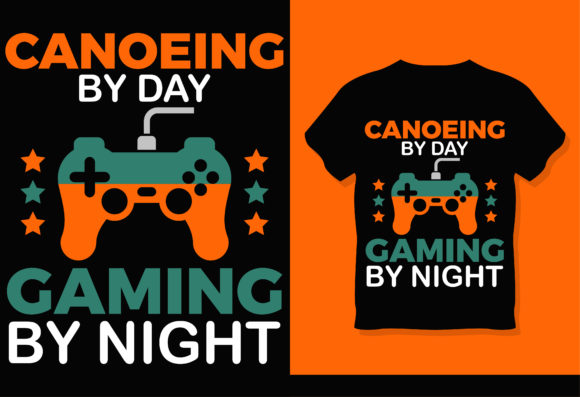
The immediate mood of this design is playful yet grounded. The juxtaposition of the serene canoeing imagery with the high-energy "gamer" aesthetic creates a narrative that is instantly recognizable. For an embroidery project, this contrast is crucial. It suggests a design that needs to be legible from a distance but detailed enough to hold interest up close. The layout appears balanced, which is a good sign for stitching stability. However, as someone who reviews designs for real-world application, I look past the initial visual appeal to consider the technical execution. How will those sharp lines of the gaming elements hold up against the softer, perhaps more organic shapes of the canoe scene? This is where the quality of the source file matters immensely.
In my experience, designs that try to bridge two distinct worlds often struggle with cohesion if the line weights are inconsistent. Canoeing by Day Gamer by Night seems to navigate this well, offering a unified visual personality that feels intentional rather than cluttered. For small business owners and Etsy sellers, this kind of clear thematic identity is gold. It allows for targeted marketing to customers who identify with both the outdoorsy and gaming communities, expanding the potential buyer base beyond traditional niches.
Real-World Application: From Screen to Stitch
Let’s imagine a practical scenario. You run a small craft business specializing in personalized gifts. A customer approaches you with a request for a custom sweatshirt for their partner, who loves weekend fishing trips but spends his evenings ranking up in online games. This is the perfect use case for Canoeing by Day Gamer by Night. Placing this design on the back of a hoodie or the chest of a crewneck sweatshirt creates a statement piece that feels personal and thoughtful.
However, the versatility of this graphic extends beyond apparel. I can easily visualize this as a tote bag design for a local comic-con or outdoor festival. The sturdy canvas of a tote bag provides an excellent surface for embroidery, allowing the stitch density to shine without sinking into the fabric. Similarly, this could work beautifully as an embroidered patch. Patches are incredibly popular among handmade shop owners because they offer a low-risk way for customers to try a brand’s aesthetic. A patch featuring this design could be ironed onto a backpack, a laptop bag, or a denim jacket, giving the user flexibility in how they display their interests.
For those selling digital embroidery files, the appeal lies in the adaptability. Whether you are creating holiday embroidery for a quirky uncle or a birthday gift for a teen, this design fits multiple occasions. It moves seamlessly from casual wear to decorative accents, making it a valuable addition to any library of design assets.
Technical Considerations for Embroiderers
While the concept is strong, the execution requires careful planning. One of the first things I check in any new machine embroidery design is the stitch density. Complex graphics with varied themes can sometimes result in uneven coverage if not digitized correctly. If the "gamer" portion relies heavily on fine details or tiny lettering, it may not reproduce well on textured fabrics like terry cloth towels or thick fleece. In such cases, I recommend testing the design on scrap fabric first. This simple step can save hours of frustration and prevent wasted materials.
Fabric choice plays a pivotal role here. For smooth cotton or poly-blend shirts, the design should crisp up nicely, especially if you use a cut-away stabilizer to support the stitches. However, if you are attempting this on stretchy fabric or dark fabric, you need to be mindful of thread colors and contrast. A running stitch might get lost on a busy pattern, so ensuring that the fill stitch areas are dense enough to cover the background is essential. For caps and hats, the curved surface presents another challenge. The design’s width must fit within the standard hoop size for caps, and the curvature can distort wide images. I would advise checking the dimensions carefully before committing to a hat project.
Another critical factor is the washability of the finished product. Apparel and tote bags go through frequent washing cycles. Dense stitch areas can cause puckering if the fabric isn’t properly stabilized or if the thread tension is off. Before delivering a commercial embroidery project to a client, always test wash a sample. This ensures that the integrity of the design holds up, maintaining customer trust and professionalism.
Enhancing Product Value and Brand Consistency
Using a well-chosen design like Canoeing by Day Gamer by Night can significantly boost the perceived value of your handmade product. Customers are willing to pay more for items that feel unique and professionally finished. When the stitching is clean, the thread colors are vibrant, and the design aligns with the recipient’s personality, it transforms a simple item into a cherished keepsake. This is particularly true for personalized gifts and boutique branding.
For Etsy sellers and creative entrepreneurs, consistency is key. If your shop focuses on outdoor-themed goods, this design allows you to tap into the gaming market without alienating your core audience. It shows versatility and an understanding of contemporary culture. Furthermore, using high-quality graphics from reputable sources ensures that your mockups and digital product previews look professional. A blurry or pixelated preview can deter buyers, so starting with a solid source file is non-negotiable.
Practical Designer Notes and Final Thoughts
Before you load this design into your machine, take a moment to review the specifics. Since the product description mentions editable sources, verify what formats are included. Are you getting a vector file that allows for resizing without loss of quality, or are you working with a fixed-size embroidery file? Confirm licensing terms before selling finished items or digital products. Commercial use rights vary, and protecting your business from legal issues is just as important as protecting your needle from breaking.
Test the design in black and white mockups to check for contrast issues. Sometimes, color can mask poor definition, but grayscale reveals the true structure of the stitch path. Compare how it looks on light versus dark backgrounds to determine if you need underlay stitches or additional outlining for clarity. And remember, not every design works for every hoop size. If you are working with a small 4x4 hoop, you may need to split the design or simplify it, whereas a 5x7 or larger hoop might accommodate the full detail comfortably.
In conclusion, Canoeing by Day Gamer by Night is a compelling option for designers looking to create engaging, multi-interest apparel and accessories. It bridges gaps between hobbies, offering a fresh take on lifestyle graphics. With careful attention to stitch density, fabric selection, and stabilization, this design can become a standout piece in your portfolio. Whether you are crafting a single personalized gift or stocking your small shop with new merchandise, this graphic offers the creative flexibility needed to produce high-quality, memorable embroidered items. Just keep best practices in mind, test thoroughly, and let your craftsmanship shine through every stitch.